In 2026, the Louis Vuitton Monogram celebrates an extraordinary milestone: 130 years of history, elegance, and innovation in the world of luxury fashion. This iconic pattern, recognizable in every corner of the globe, represents much more than a simple logo: it is a symbol of craftsmanship, status, and tradition that continues to influence the contemporary fashion landscape.
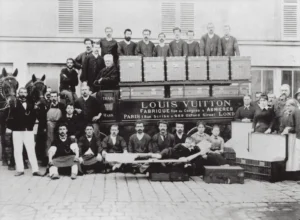
The Origins of the Louis Vuitton Monogram: 1896, the Year that Changed the Maison's History
The birth of the famous Monogram dates back to 1896, when Georges Vuitton, son of founder Louis Vuitton, decided to create a distinctive pattern to protect the Maison's products from increasingly widespread imitations. The original design combined his father's "LV" initials with elements inspired by Japanese Art Nouveau, an art movement very much in vogue at the end of the 19th century. The pattern incorporates four main elements: the interlocking LV initials, the solid "Fleur de Lys", the circled flower, and the hollow "Fleur de Lys". This combination of geometric and floral symbols created an immediately recognizable visual identity, which soon became synonymous with refinement and superior quality.
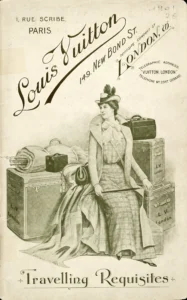
The Evolution of the Monogram through the Decades
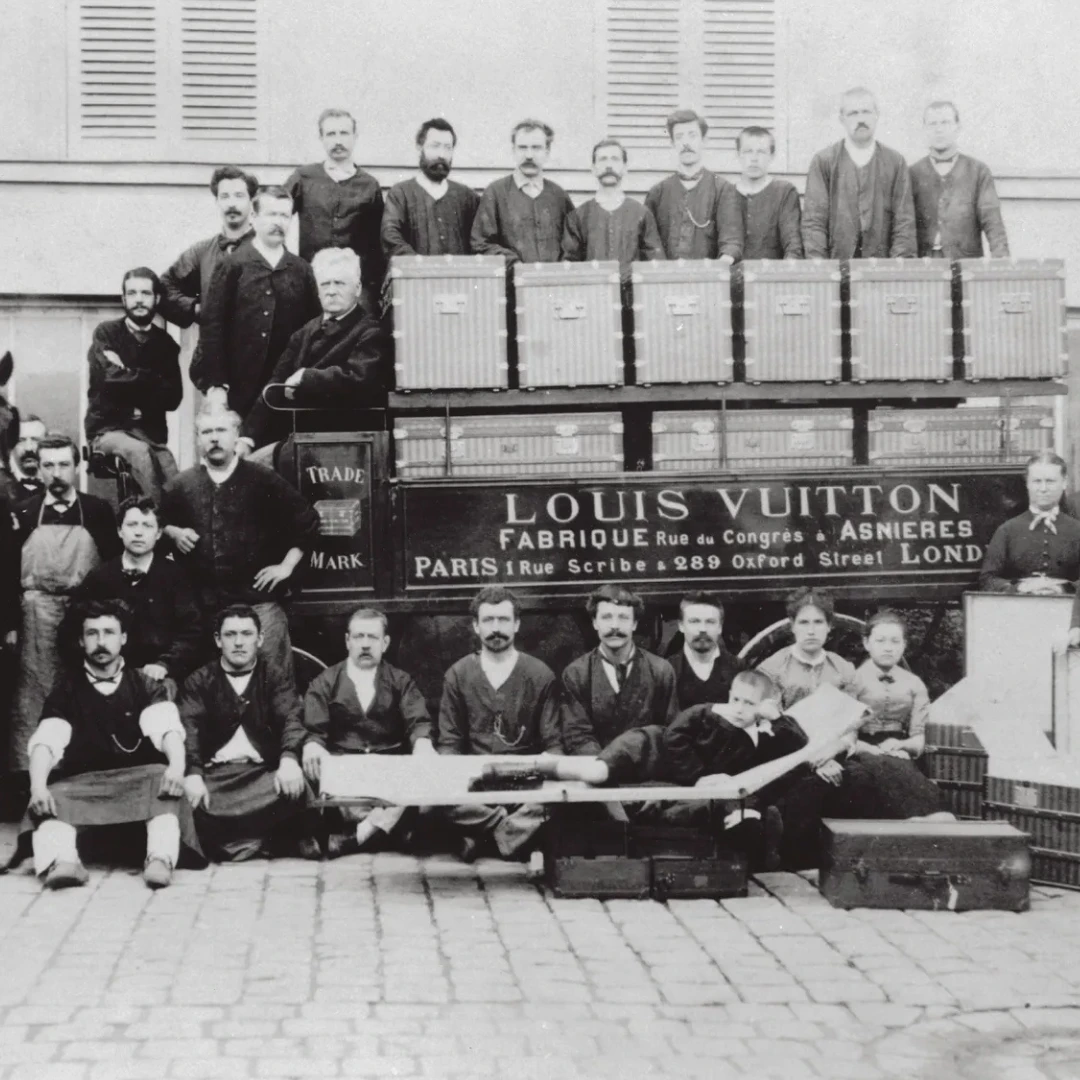
In the '30s and '40s, the Louis Vuitton Monogram established itself as a symbol of prestige among the international elite. The Monogram Canvas fabric, resistant and waterproof, proved perfect for the travel trunks and suitcases that accompanied passengers on ocean liners and luxury trains.
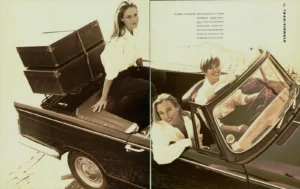
The '80s marked a major turning point: the Monogram became a true status symbol, worn by celebrities and coveted by collectors worldwide. Marc Jacobs, appointed creative director in 1997, revolutionized the brand by collaborating with contemporary artists such as Stephen Sprouse and Takashi Murakami, reinterpreting the Monogram in a modern way without ever betraying its essence.
The Iconic Models that Made the Monogram Legendary
Speedy: The Timeless Icon since 1930
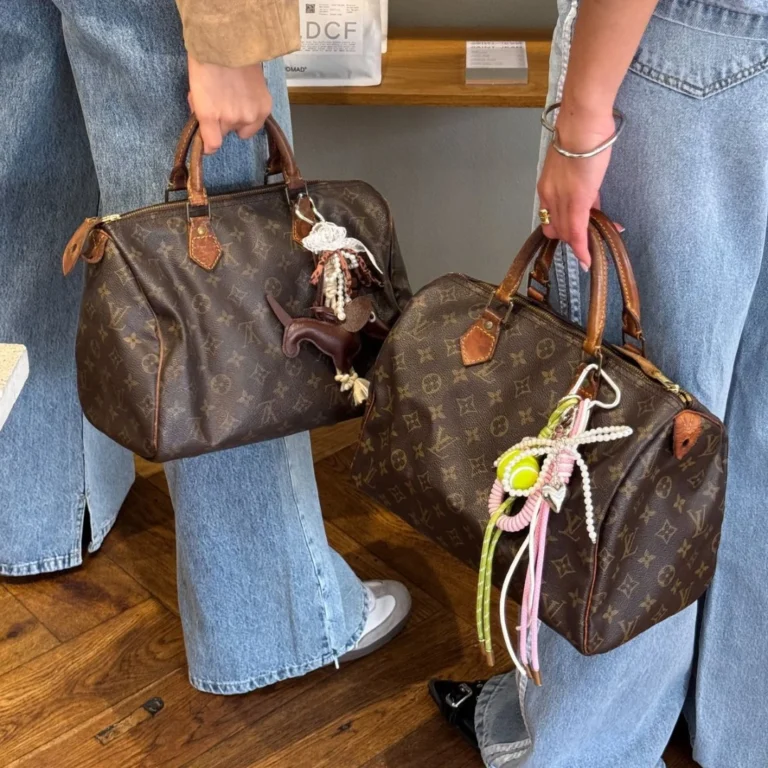
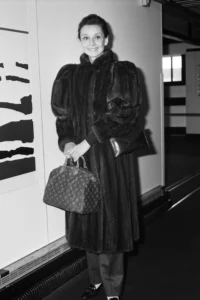
The Speedy bag, launched in the '30s, has become one of the Maison's most recognizable models. Available in various sizes (25, 30, 35, and 40), this elegant and practical holdall has won over generations of women, from Audrey Hepburn to contemporary celebrities. Its soft Monogram Canvas silhouette represents the perfect balance between functionality and timeless style.
Keepall: The Ultimate Travel Bag
Introduced in 1930, the Keepall is the weekend bag that defined the concept of luxury travel. Its iconic shape and the lightness of the Monogram canvas have made it the ideal companion for those who travel in style, maintaining its relevance for nearly a century.

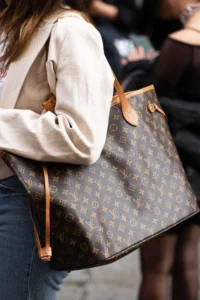
Neverfull: The Contemporary Tote Bag
Launched in 2007, the Neverfull quickly became one of the most coveted bags in the world. This spacious and versatile shopping bag, with its adjustable side straps, embodies the perfect fusion of heritage and contemporary design, proving that the Monogram continues to evolve while remaining faithful to its roots.
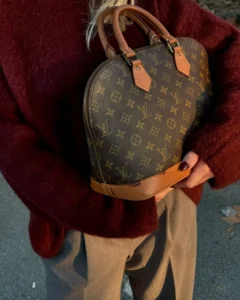
Alma: Structured Elegance since 1934
The Alma, with its distinctive shell shape, represents Parisian elegance par excellence. Created in the '30s and constantly reissued in new variations, this structured Monogram canvas bag has become a symbol of sophisticated refinement.
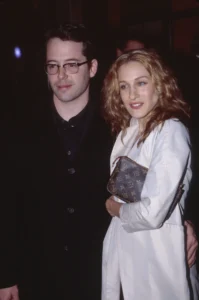
Pochette Accessoires: Small Size, Big Success
The most well-known and appreciated model by new generations is undoubtedly the Pochette Accessoires; in the short handle or crossbody version, it is a must-have in the Gen Z wardrobe.
The Monogram in the Modern Era: Collaborations and Reinterpretations
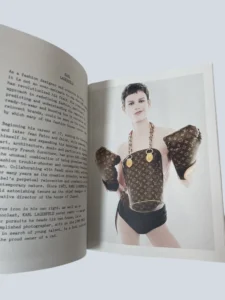
The 21st century has seen the Louis Vuitton Monogram at the center of extraordinary collaborations that have expanded its cultural meaning. From the 2003 Monogram Multicolore collection by Takashi Murakami to the partnership with Supreme in 2017, up to recent collaborations with contemporary artists and designers, the pattern has demonstrated a unique ability to reinvent itself without losing its identity. A partnership that is often forgotten but absolutely noteworthy was the one between the Louis Vuitton creative director and Karl Lagerfeld in 2014, which gave life to the Punching Bag, a bag inspired by the world of boxing.
Virgil Abloh, during his tenure as men's artistic director, further deconstructed and reinterpreted the Monogram, creating oversized and gradient versions that spoke to new generations, proving that this century-old symbol remains surprisingly current.
Discover Louis Vuitton Heritage in Our Boutiques
Celebrate with us 130 years of the most iconic Monogram in fashion history. In our boutiques in Milan, Legnano, and Como, you will find an exclusive selection of Louis Vuitton models that embody the artisanal excellence and timeless design of the Parisian Maison.
From the classic Speedy to the versatile Neverfull, from vintage travel trunks to the latest contemporary collections, our experts are ready to guide you in choosing the perfect piece that will become part of your personal story. If instead you want to discover how to recognize an original Louis Vuitton bag, read our complete guide.
Visit our boutiques in Milan, Legnano, and Como, or explore our Louis Vuitton selection online to discover how this 130-year heritage can enrich your style with a touch of timeless elegance. The Louis Vuitton Monogram is not just a purchase: it is an investment in a legacy that continues to write the history of luxury fashion.