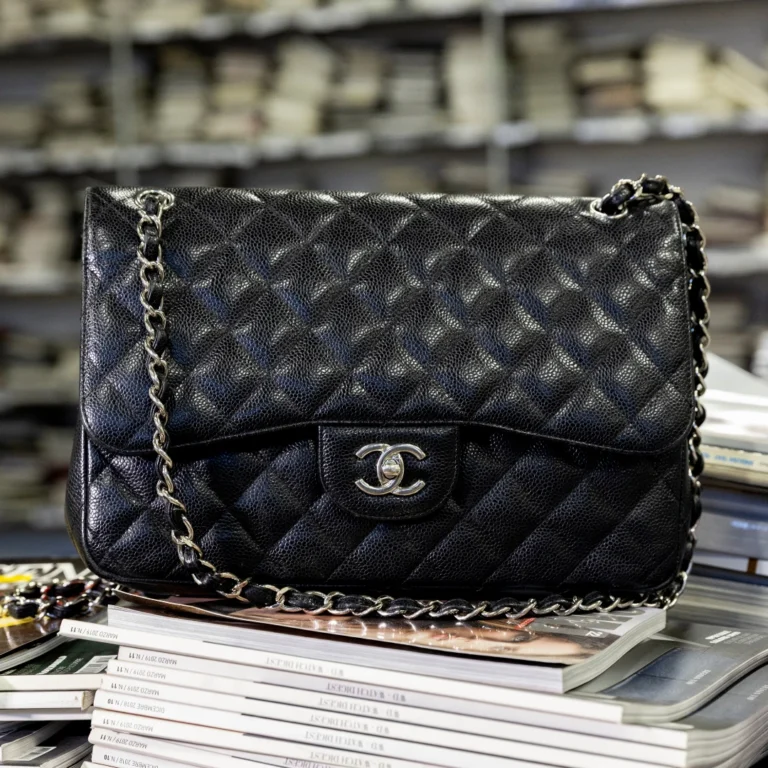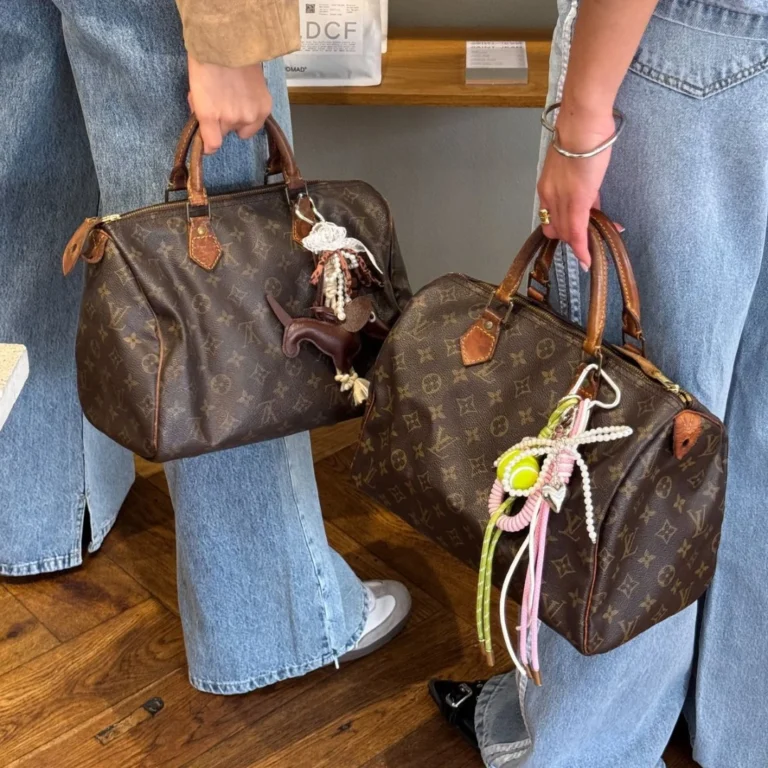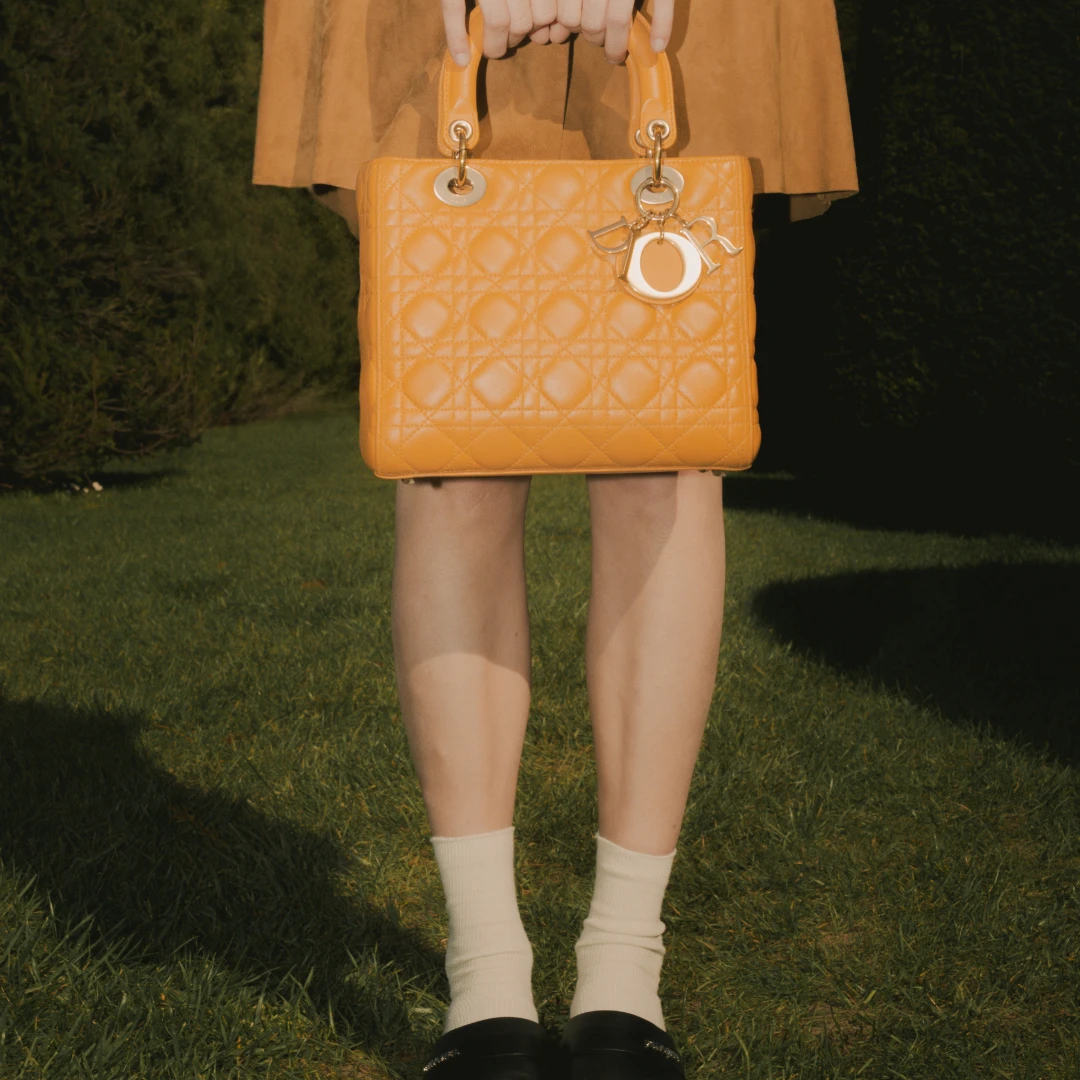
There was a time when buying clothes that once belonged to someone else was a secret for insiders, a ritual for treasure hunters in flea markets. Today, it is a statement of style. From Paris to Tokyo, from New York to Milan, the most interesting wardrobes are built on pieces with a past: an eighties tailored jacket, a matelassé bag with its own history, a silk scarf that has already traveled the world.
The growth of luxury second hand is not a passing fad. It is a shift in perspective on fashion, value, and time.
A global movement towards pre-loved fashion
Several factors have converged. Awareness of fashion's environmental impact has made buying less and better a choice that is not only responsible but desirable. Meanwhile, the prices of new luxury collections have risen, while the fascination with owning something rare, something we don't see on everyone every season, has grown. Resale platforms, curated consignment stores, and boutiques with online shops have made the experience simpler, safer, and more elegant.
The result is a market where pre-owned is no longer a fallback, but a conscious choice and often the smartest way to enter the world of second hand designer.
Vintage and second hand: what is the difference?
The two terms are often used as synonyms, but they are not. Knowing the difference makes you a more informed buyer; we have already discussed this in this article dedicated to the subject.
Second hand simply means "second hand." Any garment or accessory that has had a previous owner falls into this category, whether it was purchased last season or ten years ago. A designer bag that is almost new, in perfect condition, is second hand, but it is not vintage.
Vintage, on the other hand, is about era and character. By convention, a garment is considered vintage when it is at least twenty years old and tells the story, craftsmanship, and spirit of its time: a seventies Italian silk shirt, a sixties evening coat, a nineties runway classic. Vintage is fashion history that you can wear.
In short: all vintage is second hand, but not all second hand is vintage. When these two worlds meet in luxury, designer vintage is born: iconic pieces from the great maison, which have stood the test of time and often possess a level of craftsmanship that is difficult to find today.
The allure of luxury second hand
Why do those with taste choose second-hand luxury? The recurring reasons are four:
- Value. Well-made luxury items retain their value, and buying them second hand allows access to exceptional pieces at a more reasonable price.
- Rarity. Discontinued colors, limited editions, and archive designs are no longer found in current boutiques.
- Quality. Garments of the past were often made with leathers, fabrics, and finishes that are increasingly rare today.
- Sustainability. Giving a second life to an extraordinary object is the most elegant form of conscious consumption.
Nowhere is this more evident than in the second hand luxury handbag market. A well-preserved classic bag is the investment piece par excellence: timeless in design, durable in construction, and always the center of attention. Authenticity and condition are everything, which is why relying on a trusted specialist makes all the difference.
Milan: the natural capital of pre-loved style
If there is a city born for this movement, it is Milan. The capital of Italian fashion has always known that style is cumulative: it is built through heritage, craftsmanship, and an eye for detail. Milanese people have always had a continuous relationship with their wardrobes, and passing down, reselling, or rediscovering a great piece is part of the local culture.
This is why the vintage scene in Milan is so rich today. Whether you are looking for a second hand shop in Milan you can trust or comparing the best second hand shops in Milan, you will find a landscape ranging from small neighborhood discoveries to refined boutiques specializing in luxury. For those exploring Milan second hand shops, the key is to look beyond the brand and ask the right questions: where does the piece come from? Has it been authenticated? Is it presented and curated with the respect a luxury object deserves?
A true luxury resale boutique is a curated space, not a flea market. Every piece is selected, inspected, and enhanced, offering an experience closer to that of a maison than to any ordinary second-hand shop.
How to shop designer vintage like an expert
Whether you are shopping in-store or at a luxury vintage online shop, there are a few principles to keep in mind:
- Put authenticity first. Choose sellers who verify every item and are transparent about its provenance.
- Observe the details. Stitching, hardware, linings, and labels tell much more than the logo.
- Assess condition honestly. Look for clear descriptions and detailed photographs. Minor signs of age can add charm, but they should never be hidden.
- Buy what you will actually wear. The best vintage pieces are not museum objects, but those you will want to wear all the time.
- Think in decades. Choose lines and materials that will remain contemporary even many years from now.
Where past and present meet
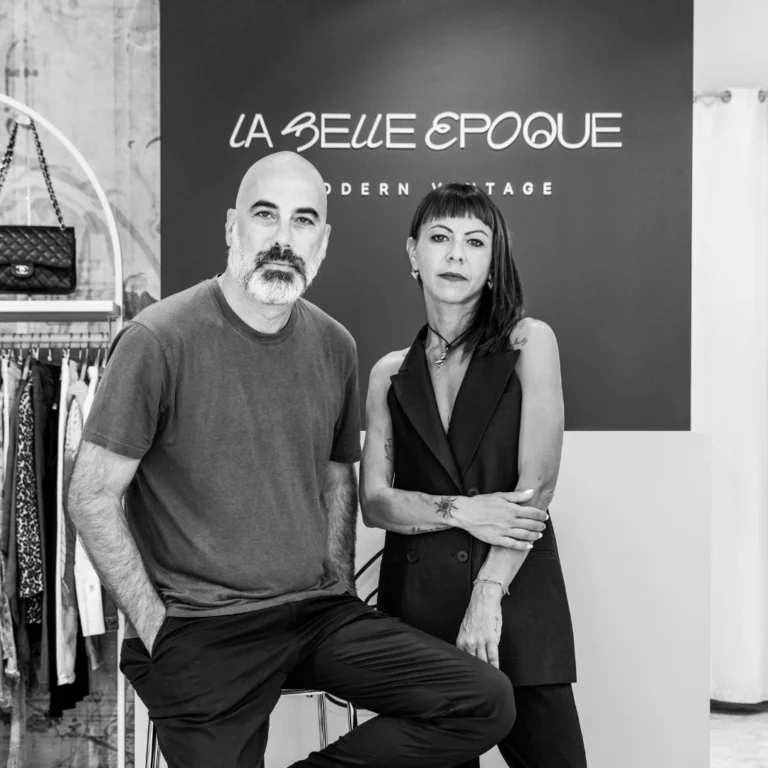
At La Belle Époque, we believe that great fashion has no expiration date. Our boutiques in Milan, Como, and Legnano, along with our online shop, bring together a carefully selected collection of luxury second hand and vintage for those seeking elegance with a story to tell. From designer vintage treasures to timeless accessories, every piece is chosen for its quality, character, and authenticity.
Because truly distinctive style has never been about what is newest, but about what remains unforgettable.
Discover the latest arrivals at www.labelleepoqueboutique.com or visit us in boutique.