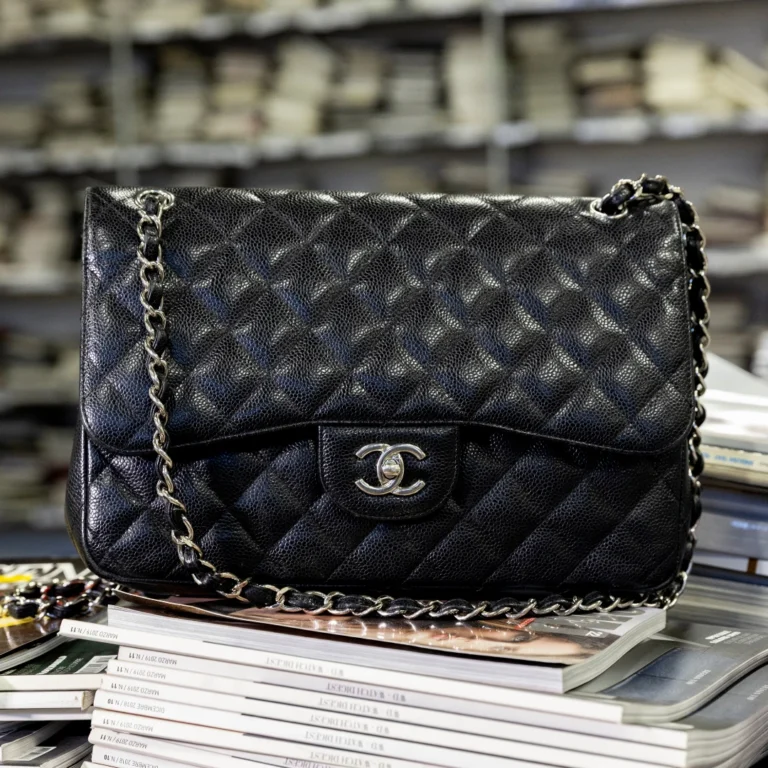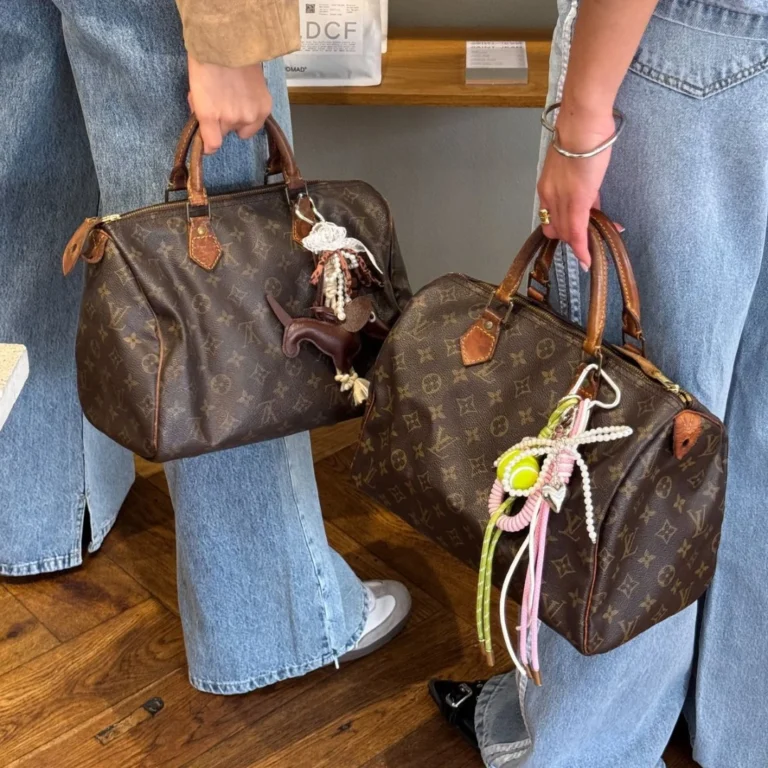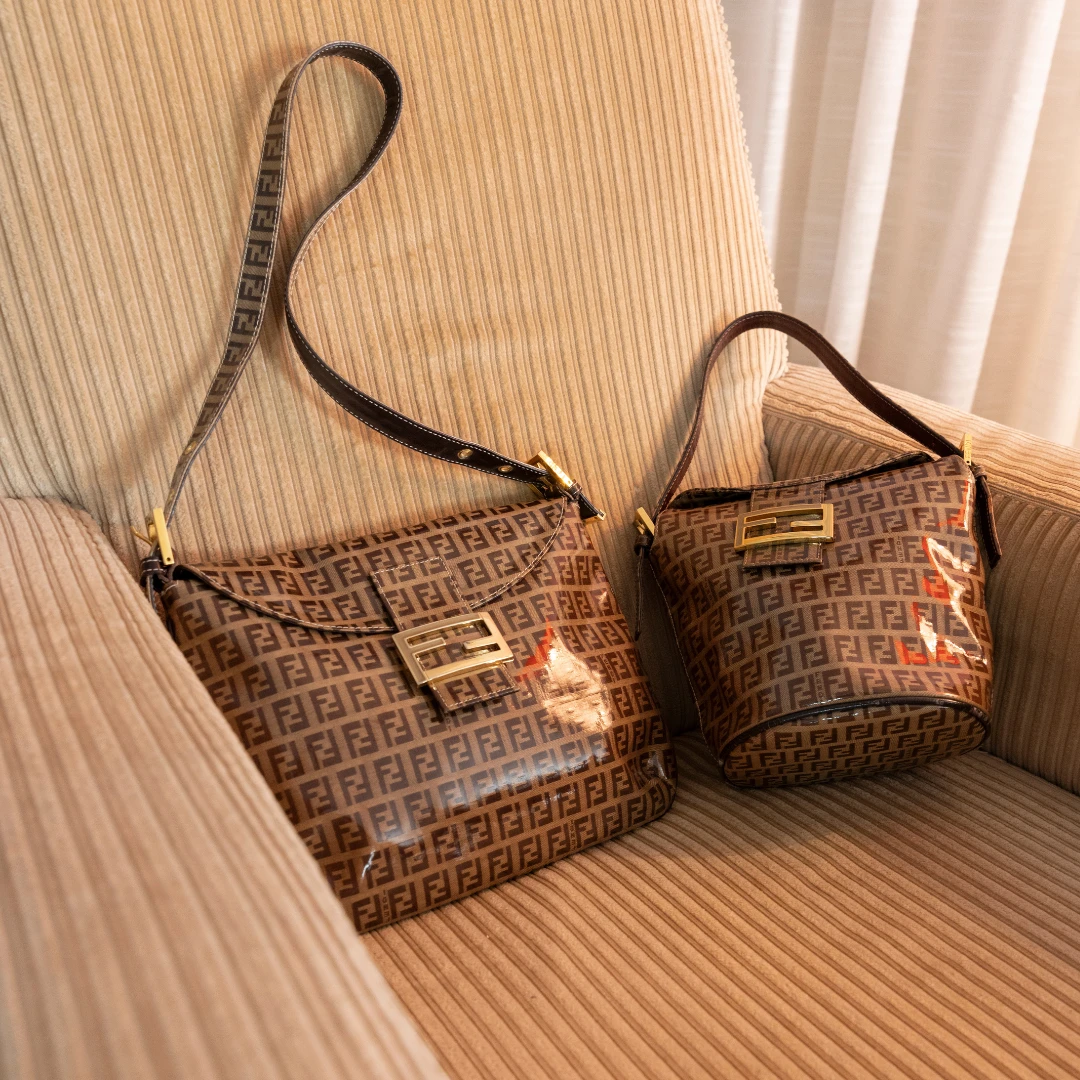
In the world of sustainable fashion and conscious consumption, the terms "vintage" and "second hand" are often used interchangeably. However, there is a substantial difference between these two concepts that every pre-loved clothing enthusiast should know. Whether you are looking for unique pieces for your wardrobe or are simply curious to discover the charm of second hand, this guide will help you navigate the world of pre-loved clothing with confidence.
What Vintage Means: Definition and Characteristics
The term "vintage" refers to clothing, accessories, and items that are at least 20 years old. It is not simply about old clothes, but about pieces that represent a specific era of fashion, with recognized historical and stylistic value. A vintage piece tells a story, embodies the style of a particular decade, and often features quality and craftsmanship characteristics that are difficult to find in contemporary fashion.
True vintage enthusiasts search for pieces from the '20s to the '90s, with particular attention to iconic periods such as the '50s, '60s, '70s, and '80s. These items are selected not only for their age but also for their state of preservation, design authenticity, and historical relevance.
Second Hand: The Concept of Used Clothing
Second hand clothing comprises any item previously owned and worn by someone else, regardless of age. It could be a dress bought last year or an '80s jacket. The main characteristic is that it is used clothing being recirculated through resale.
The second hand market includes items from every era, style, and price range. From fast fashion jeans to haute couture dresses, from recent coats to vintage shoes: everything that has been previously worn falls into the second hand category. This market is growing rapidly thanks to increasing environmental awareness and the desire to reduce textile waste.
Key Differences Between Vintage and Second Hand
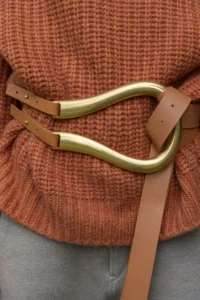
The main difference lies in the age and value of the item. While every vintage piece is automatically second hand, not everything that is second hand can be considered vintage. A vintage item must be at least 20 years old and possess the distinctive characteristics of the era in which it was produced.
Economic value is another distinguishing element: authentic vintage pieces, especially those from prestigious brands or famous designers, tend to have higher prices compared to common second hand. This is because they represent true collector's pieces, with an appeal that goes beyond simple functionality.
Selection is more rigorous in vintage: specialized boutiques carefully curate their inventory, choosing only pieces in good condition that authentically represent the style of an era. Second hand, on the other hand, offers a wider and more democratic variety, accessible to all budgets.
How to Recognize an Authentic Vintage Piece
Identifying a true vintage piece requires an expert eye and attention to detail. Labels are the first clue: fabrics, logos, care instructions, and country of origin can reveal the age of a garment. In the '60s-'70s, for example, many items were produced in Europe or the United States, while Asian production only became predominant later.
The quality of materials and stitching is often superior in vintage pieces compared to contemporary fast fashion. Look for natural fibers such as silk, wool, pure cotton, and linen, with sturdy seams and meticulous finishes. Metal zippers, mother-of-pearl or metal buttons, and artisanal details are indicators of authenticity.
Even the cut and style can reveal the era of a garment: silhouettes change decade by decade, as do hem lengths, shoulder shapes, and decorative details. Familiarizing yourself with the stylistic characteristics of each period will help you recognize authentic pieces.
The Advantages of Vintage and Second Hand Fashion
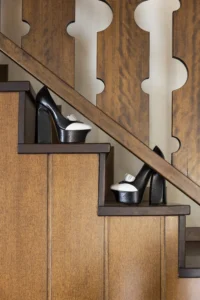
Choosing vintage and second hand means embracing sustainability. The fashion industry is one of the most polluting in the world, and buying used items drastically reduces environmental impact by avoiding new production and decreasing textile waste. Every item saved from landfills is a step toward a more sustainable future.
Uniqueness is another great advantage: by wearing vintage or second hand, you are assured of owning unique pieces that you will rarely see on anyone else. This allows you to develop a distinctive personal style, far from the uniformity of fast fashion.
The value for money is often excellent: you can find pieces from prestigious brands or of superior quality at affordable prices. A well-preserved vintage wool coat may cost less than a new industrial production one, but last many more years thanks to the quality of materials and manufacturing.
How to Integrate Vintage and Second Hand into Your Wardrobe
Starting with accessories is a great way to approach the vintage world: bags, scarves, jewelry, and belts are easy to pair and add character to any outfit. A vintage bag can transform a contemporary look into something special and memorable.
Mixing eras and styles is the key to a modern and personal wardrobe. Pair an '80s vintage blazer with contemporary jeans, or wear a recent second hand dress with vintage accessories. The goal is not to look "in costume," but to create unique combinations that reflect your personality.
Take care of your vintage and second hand purchases: these pieces already have a history and deserve to be preserved. Follow the appropriate care instructions, repair minor damage, and store items correctly. With the right care, they will become treasures of your wardrobe for years to come.
Where to Find the Best Vintage and Second Hand Pieces
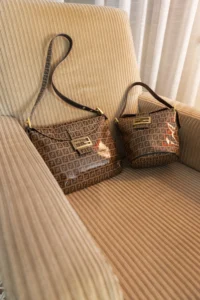
Finding authentic, high-quality pieces requires dedication and patience. Specialized boutiques offer the advantage of a curated selection and expert staff, who can guide you in your choice and provide information on the origin and era of the items.
Vintage markets are ideal places to discover hidden treasures, but they require time and a trained eye. Online platforms have made the second hand market more accessible, but it is important to always verify the condition of the item and the reliability of the seller.
The key is to explore different sources and build relationships with trusted sellers who understand your tastes and can alert you when pieces matching your style arrive.
Discover Our Vintage and Second Hand World
Now that you know the difference between vintage and second hand and have all the tools to shop consciously, it is time to begin your adventure in the world of sustainable fashion.
We invite you to visit our boutiques in Milano, Legnano, and Como, where you will find a curated selection of authentic vintage and quality second hand pieces. Our team of experts is always available to help you find the perfect piece and tell you the story behind every item.
For true collectors and lovers of authentic vintage, we have created an Archive section dedicated to the most sought-after pieces: items from the '90s to the early 2000s with runway references or from specific fashion campaigns. These are museum-quality pieces, documented rarities that represent iconic moments in fashion history, perfect for those seeking items with certified historical and collector value.
Can't visit us in person? Explore our online collection on our website and discover hundreds of unique pieces ready to join your wardrobe. We add new arrivals every week, so keep following us, even on our social media, so you don't miss the latest news.
Join the sustainable fashion revolution: choose vintage, choose second hand, choose uniqueness!