The little black dress is much more than a simple dress: it is a statement of style, a symbol of elegance and a declaration of versatility that has spanned over a century of fashion history. From Parisian runways to the wardrobes of modern women, the Little Black Dress represents that rare combination of simplicity and sophistication that makes a garment truly immortal.
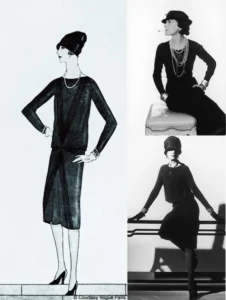
The little black dress as we know it today was born in the 1920s, when Coco Chanel had a revolutionary vision: to democratize elegance. In 1926, the legendary designer launched a simple black dress that challenged all the conventions of the time. In an era when black was associated with mourning and maid uniforms, Coco Chanel transformed it into a symbol of refinement and freedom. Vogue magazine was so struck by the vision that it predicted the little black dress would change the female wardrobe as much as the Model T transformed the automobile.
What Chanel understood was that true elegance did not lie in excess, but in the elegant simplicity of a dress that allowed a woman to express her personality without distractions.
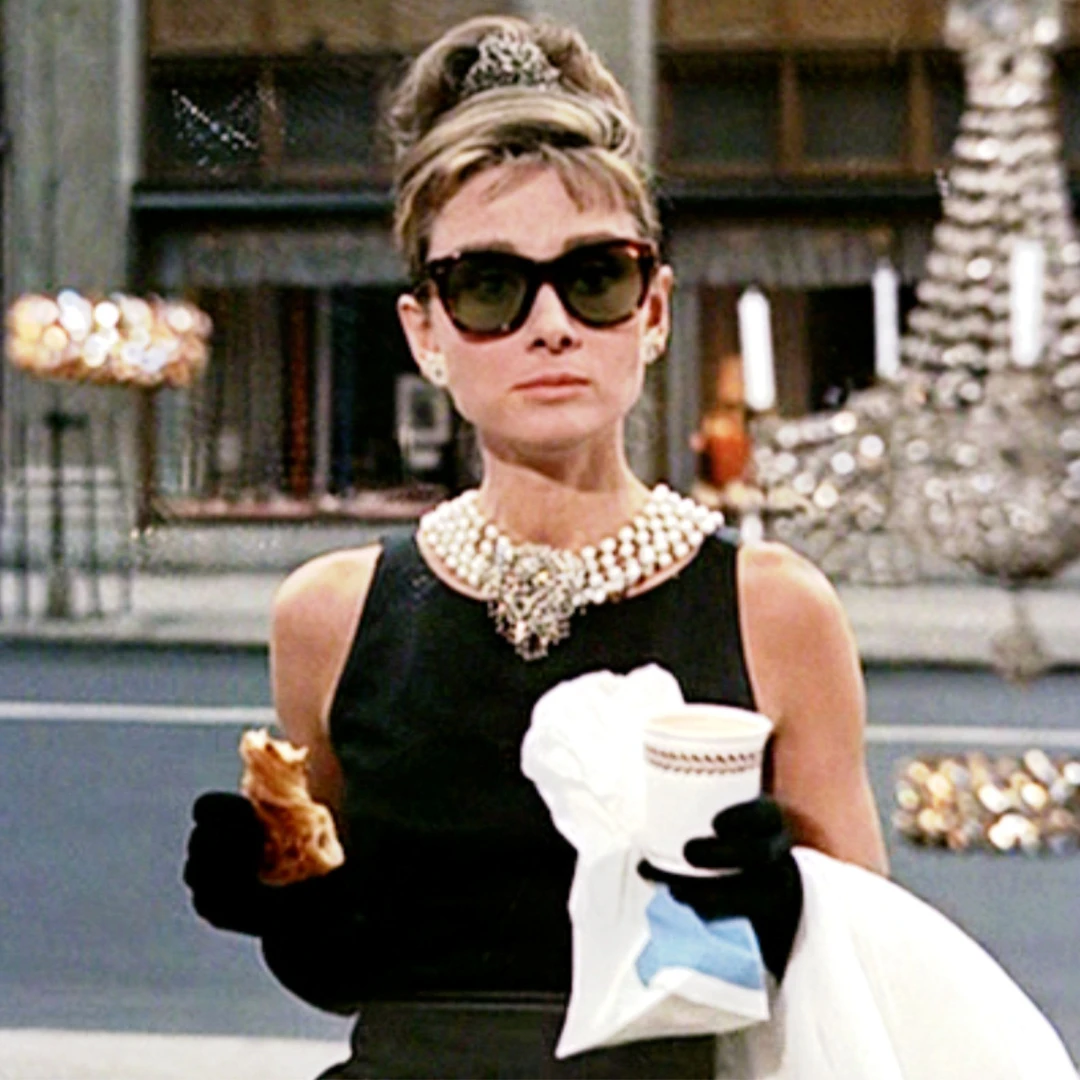
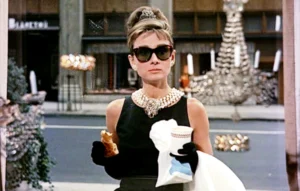
In the 1950s, the little black dress received its definitive consecration thanks to Audrey Hepburn and the cinematic masterpiece “Breakfast at Tiffany’s” (1961). The black dress with thin straps, elegantly understated and extraordinarily charming, worn by Hepburn in front of the world's most exclusive jewelry store, became an iconic image that would define an entire decade.
That dress was not merely a piece of clothing: it was aspiration, style, mystery, and refinement concentrated in a few inches of fabric. Audrey Hepburn proved that the little black dress could be both daywear and eveningwear, as versatile as no other garment before it.
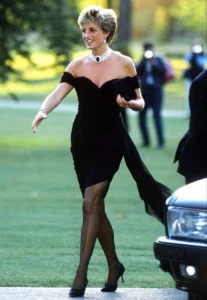
If the little black dress had already conquered the world, a princess brought it back into the spotlight with a gesture that became legend. In 1994, Princess Diana wore a black dress by Christina Stambolian for a gala dinner in London, shortly after the announcement of her separation from Prince Charles. That dress, timeless in its lines yet modern in its silhouette, represented a statement of power and freedom.
Dubbed by the media as the “Revenge Dress”, this little black dress became a symbol of rebirth and autonomy, proving once again that black could be everything: formal, rebellious, provocative, and sophisticated all at once. Lady Diana taught the world that the little black dress was not just an elegant garment, but an assertion of strength.
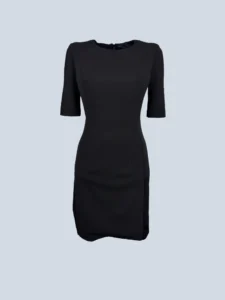
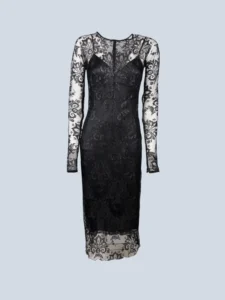
From the 1900s to today, the little black dress has undergone transformations in its details, but has kept its essence intact. It has taken on different personalities: with long sleeves or sleeveless, bold or modest necklines, with side slits or smooth lines. It has become the perfect foundation upon which to build infinite looks, from the office to the evening, from cocktails to formal dinners.
Generation after generation, the little black dress has retained its power to transform whoever wears it. It is not a trend-following piece: it is the piece that defines style. It is democratic because it belongs to everyone, yet exclusive because it creates a unique effect on every woman.
Today, the little black dress remains the fundamental of the modern female wardrobe: the piece that represents awareness, elegance, and the perfect balance between tradition and contemporaneity.

 .

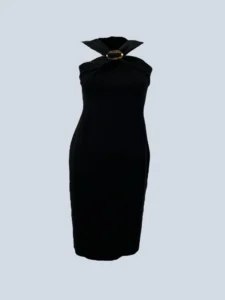



The story of the little black dress is also your story. Whether you are looking for an outfit for the office, a special dinner, or simply a dress that makes you feel sophisticated and confident, the little black dress awaits you.
Discover our exclusive selection of little black dresses in our boutiques in Milano, Como, and Legnano: each piece has been chosen to offer you the same timeless elegance that has fascinated the fashion world for over a hundred years.
Come visit us and find the little black dress that will tell your story.